Few things sharpen the senses faster than a misplaced key and a dark doorstep in Orlando. I wrote this to give you clear, practical guidance on finding a 24 hour locksmith when your home door refuses to cooperate. Inside are on-the-ground tips about arrival times, realistic pricing expectations, and simple checks to avoid scams.
Why a local 24 hour locksmith matters
A locksmith who is already in Orlando can turn a frustrating hour into a ten or twenty minute fix. Local technicians usually know neighborhoods, apartment complexes, and tricky gated-entry procedures. Ask for an arrival window and a technician name to separate professionals from opportunists.
I remember a night when an operator promised "nearby" and the technician was an hour away, which became costly. That experience taught me to confirm the technician's ETA and vehicle details before ending the call.
What happens after you dial a Orlando locksmith
Expect an operator to verify you are the resident and the address before dispatching help. You should be ready to describe whether the deadbolt turns, if a key snapped, or if the frame looks compromised. A clear description reduces the chance the technician arrives unprepared and has to return.
After verification they'll provide an estimated arrival window and an upfront surcharge or price range. If they cannot or will not provide an ETA and price range, you should be cautious.
How long will you actually wait for a 24 hour locksmith?
A local technician stationed in Orlando proper can often arrive in 10 to 30 minutes depending on traffic and time of day. Peak traffic, major events, and severe weather can double or triple that window. If you live in a gated complex, you should expect the arrival estimate to include gate access time as well.
Big call centers occasionally send a technician from a neighboring county, which explains longer waits despite "local" branding. That is not always a deal breaker, but you should be told if the technician is coming from far away.
Understanding pricing and common fee structures
Most companies charge a base call-out or dispatch fee in addition to time and materials. A ballpark range for a simple non-destructive lockout in Orlando might be $65 to $150, depending on time of day. If the lock requires replacement or there is damage, add $50 to $250 or more based on lock grade.
If the phone estimate is significantly lower than competitors, be cautious and ask what the price actually includes. Ask what the quote covers: number of labor minutes, whether it is non-destructive, and parts included. Transparent firms will itemize the expected fees during the initial call.
Red flags and green flags during a residential emergency visit
A good sign is a technician who arrives in a marked vehicle and provides identification and a receipt before any work begins. A conscientious locksmith will describe their approach and seek approval before touching the lock. If they pressure you to sign a blank form or refuse to show ID, walk away if you can.
Another green flag is an itemized receipt and explanation of parts and labor after the job. If someone insists on cash and keeps the transaction undocumented, do not proceed.
Low-risk steps to take before the technician arrives
Try all entries and Orlando locksmith windows quietly before calling; sometimes a spare door is unlocked. If you have a smart lock, check the app or reconnect to Wi-Fi; sometimes a reboot fixes it. If a key broke in the lock, resist jiggling it aggressively; take a clear photo to show the technician.
If someone inside needs medication or assistance, say so up front so the operator prioritizes the call. When there are signs of a crime, notify law enforcement so they can document the scene prior to locksmith intervention.
Changing locks and upgrades after a lockout
Worn locks that allow lateral movement or require force to operate usually need replacement to restore security. Upgrading to a high-grade deadbolt and reinforcing the strike plate addresses the weak points burglars exploit. For renters, coordinate with your landlord and get written permission before replacing hardware.
Smart locks are convenient but not always the best security upgrade for every home. When using a smart lock, maintain a physical backup key to prevent being shut out during electrical or network failures.
Protecting yourself from dishonest operators
One typical scam is a low initial quote that balloons when the technician claims unforeseen complications. Be skeptical if they insist on swapping the lock immediately without trying a non-destructive entry first. Demand a written estimate before they begin work to avoid this trap.
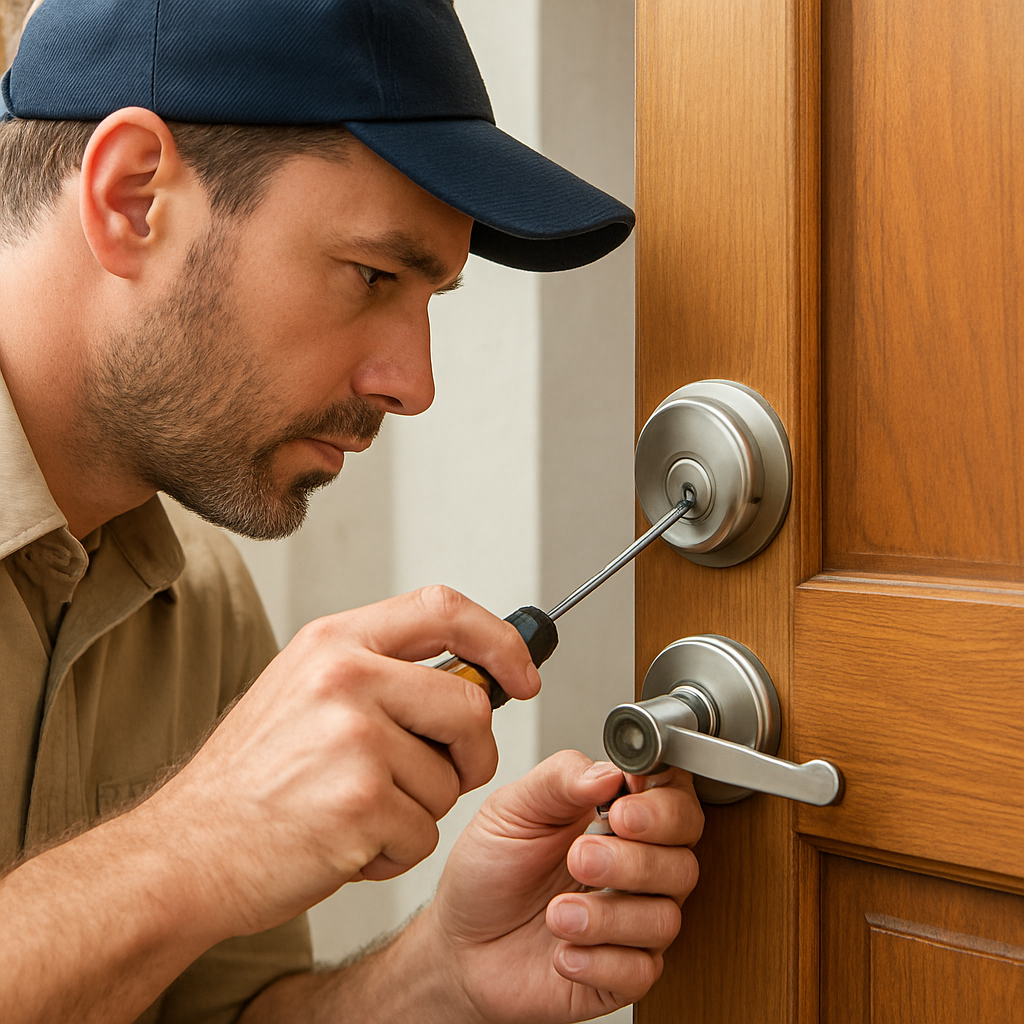
Make sure the name on the website or directory is the same as the signage on the van and the invoice. If any details do not match, that is grounds to pause and call a different provider.
How to prepare so a lockout is less painful next time
A discreetly placed lockbox or a neighbor with a spare key will save hours and often the locksmith fee. Add one or two vetted locksmiths to your contacts so you do not have to search frantically during a stressful moment. Tenants should document lockout responsibilities in writing with landlords to avoid surprise bills.
Simple maintenance and timely replacement of worn keys prevent many emergencies before they start. If you travel frequently, leave a reliable spare key with someone who has easy access to your home.
A quick checklist to follow during a residential lockout
Before you call, gather ID, proof of residency, and a charged phone to speed verification. Ask directly for an ETA, technician name, vehicle description, and an itemized estimate before the technician departs. Call the police if you suspect a crime and photograph any damage; let them clear the scene before repairs begin.
Save a reliable provider, ask for a printed invoice, and challenge any line items you did not authorize. A little prep and a few pointed questions when you call will often prevent a long wait or an inflated bill.